
Meet your Bargaining Committee!
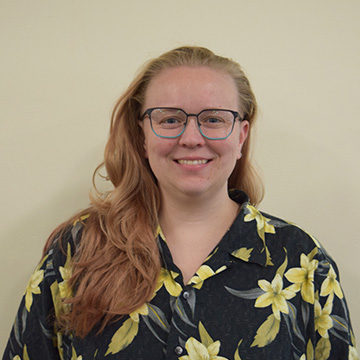
Sarah Van Hoesen
Physics | Teaching Assistant/Research Assistant (Stipended)
Why would you like to be a part of the Bargaining Committee?
For the past few years, I have been working with GWU leadership first as a steward and then as a member of the local joint council. Helping other workers during this time has given me an appreciation for the varied circumstances of graduate workers at WPI. As a member of the bargaining committee, I want to be able to help many future graduate students have a more secure and relaxed environment in which to study and work. Graduate school is hard enough as it is; I want to make sure that we are not having to also worry about having enough money to eat and pay rent.
What are issues that you hope to resolve in bargaining?
I think that the current collective bargaining agreement was a huge leap forward for us as graduate students, but over the past few years, issues and spaces for improvement have begun to emerge. Hourly workers are not offered many of the same benefits as their full-time counterparts, health and safety language exists but there is no follow-up, and we need to look forward towards incoming and emerging issues related to personal and data privacy. I believe that all of these things can be improved and updated in the next contract. I also want to make sure that I listen to all our members when making decisions and proposals. No graduate worker has the exact same set of issues and circumstances as another, but I do know that many of us would like improved healthcare, clarity on time off during school closures, and better housing options, for example.
What skills or unique perspectives do you bring to the bargaining table that make you qualified for this position?
For three years before coming back to school for my Ph.D. at WPI, I worked at the University of Missouri Research Reactor making technetium-99m for medical imaging use. While there, I was made the lead of my production team. While in this position, I learned to advocate not just for myself, but for my fellow workers and those I represented to upper management. This job also instilled in me a strong commitment to maintaining safe working conditions and giving every worker the chance to make sure that they feel safe on the job. Given WPI’s track record with lax safety procedures and minimal staff assigned to safety positions, I want to make sure that management knows that we should not be expected to put ourselves at risk in order to gain a graduate degree.

Sarah Fenton
Materials Science and Engineering | Teaching Assistant/Research Assistant (Stipended)
Why would you like to be a part of the Bargaining Committee?
I was an undergraduate student here when the GWU first formed, and I would like to be a part of this next step in contract negotiation. I want to be a part of the bargaining committee to help ensure that graduate workers have pay, benefits, and a workplace experience that reflects the amount that they contribute to the university.
What are issues that you hope to resolve in bargaining?
Since this is the first re-negotiation, I want to protect what we have and reinforce the contract to address the changes and grievances that graduate workers have faced and voiced since the initial contract was implemented. Graduate workers should feel supported, safe, and represented at the table. I also hope to clarify and expand the access that fellows and BS/MS students have to union benefits and protections.
I want to clarify the role and responsibilities of a researcher’s advisor and for there to be resources available if research is being disrupted by factors outside of the graduate student’s control. GWU members are an integral part of the university and my priority is ensuring that they receive ample support from faculty and WPI itself to continue and complete their studies, and that student health, including accessible resources for training and safety, is emphasized.
What skills or unique perspectives do you bring to the bargaining table that make you qualified for this position?
I have extensive experience with WPI, which has spanned two departments (ChE and MTE as a BS/MS student before starting my PhD) and several jobs at both the undergraduate and graduate level. I believe that my background, including transition periods that WPI did not have clear guidelines for, would be a benefit at the negotiation table and would help our union to achieve our goals in contract renewal.
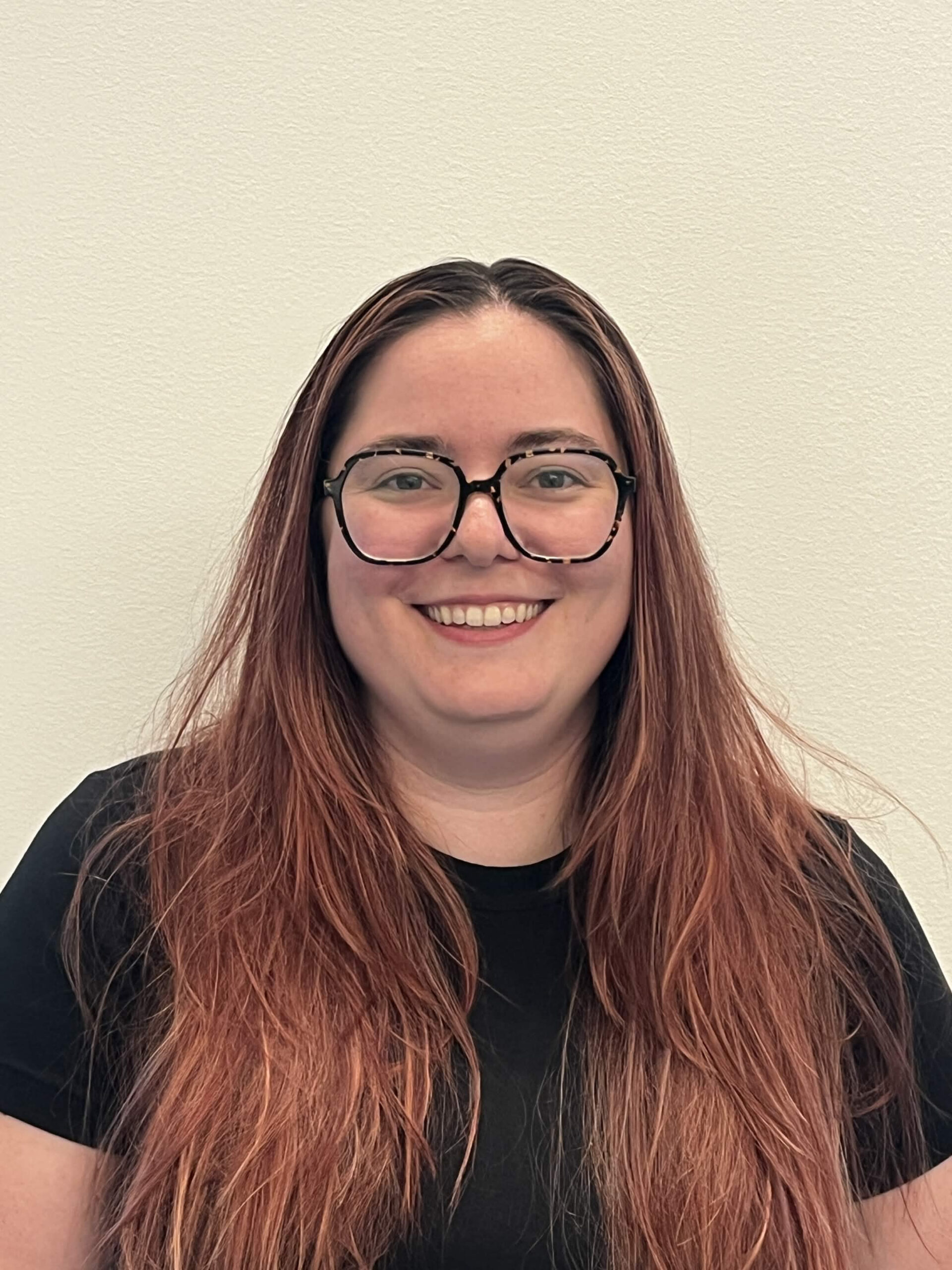
Lily Kuhn
Biology and Biotechnology | Teaching Assistant/Research Assistant (Stipended)
Why would you like to be a part of the Bargaining Committee?
I want to be a part of the bargaining committee because I want to help improve the lives of grad workers outside of the lab. Our best work is done when we can focus on our research; not on making sure we make enough to live or that our work environment is a safe place for us. I think graduate workers provide important work to the university, both in research and in teaching, and we should be compensated fairly for that.
What are issues that you hope to resolve in bargaining?
My main goal is to improve our current compensation, both in our paychecks and in other non-monetary ways such as increased healthcare coverage. My secondary goal is to protect student privacy and data by asking the university to commit to no Flock cameras (or similar programs) on campus.
What skills or unique perspectives do you bring to the bargaining table that make you qualified for this position?
I think that I am a good negotiator and am able to find compromises that will benefit all parties involved. At my previous job, I not only negotiated my own salary, but also helped coworkers negotiate their own salary raises. I want to help grad students by advocating for them to the university and think my prior experience will make me an asset.
Shahbaz Shan Khan
Business Analytics | Administrative Support (Hourly)
Why would you like to be a part of the Bargaining Committee?
Every campus job I’ve had at WPI has given me a different perspective on what it means to be a graduate worker. From working as an Hourly Research Assistant, Teaching Assistant, Graduate Assistant and Administrative Assistant to serving as a peer mentor, I’ve had the opportunity to connect with students from different backgrounds and better understand the challenges they face. In addition, through my role representing graduate students through GSG at the Student Organization Council (SOC), I have gained experience advocating for graduate student interests by reviewing proposed constitutions for new student organizations and ensuring that graduate student rights and perspectives are considered, especially when there is a GSG funding component involved. These experiences have shown me that while our roles may differ, we all want fair working conditions, meaningful support and a voice in decisions that affect us.
I want to be part of the Bargaining Committee because I believe those experiences and conversations should help shape our next contract. Our current contract established important protections and benefits, and I want to help preserve those achievements while strengthening our contract to meet the evolving needs of graduate workers in an increasingly uncertain economic and academic landscape. I also hope to bring perspectives that are often underrepresented at the bargaining table, particularly those of master’s students, hourly workers, and international student workers, so that every graduate worker has a voice in the bargaining process.
What are issues that you hope to resolve in bargaining?
One of my top priorities is ensuring that hourly graduate workers have a stronger voice during bargaining. While many discussions naturally focus on PhD students and stipend-funded positions, many graduate workers are employed in hourly roles and face a different set of challenges. Having worked in several hourly positions myself, I understand those experiences firsthand and want to make sure they are reflected in our contract.
As an international student, I also understand the additional challenges of balancing campus employment with visa regulations and work restrictions. I want to advocate for policies that recognize these realities and ensure international student workers are supported and treated fairly. My experience representing graduate students through GSG has also reinforced the importance of reviewing policies and decisions from the perspective of the people they impact. I hope to bring that same approach to bargaining by ensuring that the concerns of different groups of graduate workers are considered when shaping our next contract.
More broadly, I hope to build on the progress we’ve already made by protecting the gains in our current contract while pursuing improvements that reflect the evolving needs of all graduate workers.
What skills or unique perspectives do you bring to the bargaining table that make you qualified for this position?
Before coming to WPI for my master’s degree, I worked at a law firm where I gained experience participating in negotiations and learned the importance of preparation, collaboration and finding common ground. That experience taught me how to listen carefully, communicate effectively and approach complex discussions with professionalism.
At WPI, I’ve had the opportunity to work in four different graduate worker roles – HRA, TA, GA and Administrative Assistant. I’ve also spent the past year and a half working closely with my department’s Assistant Dean’s office, giving me insight into how university processes work and how administrative decisions are made.
Beyond my employment roles, my involvement in graduate student representation through GSG at the Student Organization Council (SOC) has also helped me develop the ability to listen to different concerns, review proposals thoughtfully and advocate for student interests while working collaboratively with others. This experience has reinforced the importance of making sure that the voices of the people affected by decisions are considered.
Together, these experiences have prepared me to be a thoughtful, collaborative and informed member of the Bargaining Committee. I hope to bring the ability to listen, understand different perspectives, and work toward solutions that genuinely support the graduate worker community.

Matthew Lydon
Mechanical Engineering | Teaching Assistant/Research Assistant (Stipended)
Why would you like to be a part of the Bargaining Committee?
I would like to serve on the Bargaining Committee because collective responsibility has guided my participation in community work throughout my adult life. For me, that means responding to needs identified by the community and taking on work that aligns with my experience and strengths. Across my research and advocacy, including work focused on WPI, I have consistently chosen projects related to accessibility, affordability, education, and institutional accountability. When I saw the email asking members to step forward for the Bargaining Committee, I recognized an opportunity to help the Union pursue graduate workers’ priorities by applying my knowledge of WPI’s institutional history and my strengths in analysis and negotiation. Serving on the Bargaining Committee would be a continuation of my commitment to use the tools at my disposal for collective empowerment.
What are issues that you hope to resolve in bargaining?
The issues I hope to help resolve are those graduate workers identify as most urgent. Based on the preliminary materials I have reviewed, members have raised concerns about healthcare and leave, compensation and affordability, digital privacy, and protections for hourly graduate workers. I suspect our understanding of those priorities will continue to develop as we welcome new members in the Fall.
Even while we’re still developing the full picture of members’ priorities, we still have immediate opportunity to support their eventual choices by strengthening the contractual foundation on which any substantive gains will depend. In practice, that means examining whether the contract’s structure clearly and inclusively establishes both the scope and continuity of workers’ protections. It also means ensuring that the Union has effective tools to enforce those protections.
My overall goal would be to help the committee translate members’ priorities into contract language that remains clear when applied, enforceable when challenged, and durable over time.
What skills or unique perspectives do you bring to the bargaining table that make you qualified for this position?
I bring experience with close textual analysis and contract negotiation together with institutional knowledge that I think could help the committee answer three connected questions: What does the proposed language permit? How would it operate in practice? How might that shape our strategy at the table?
Through prior policy research, I have applied my training in mathematics and rhetoric to analyze definitions, assumptions, and interactions among provisions. In practice, that has meant tracing risks that may not be visible in any single provision but emerge when the language is considered alongside how it could be implemented. My leadership experience in professional R&D, including contract negotiations, extended that analytical foundation into practice by requiring me to structure proposals, negotiate terms, and revise agreements around real operational constraints. In a separate project, I examined WPI’s institutional history and strategic planning from the 1980s to the present, giving me context for the priorities and decision-making patterns that may inform the administration’s positions. In combination, I think these experiences would allow me to contribute to the Bargaining Committee’s work on interpreting proposals, anticipating their practical effects, and helping translate that analysis into both bargaining strategy and contract language that remains responsive to members’ priorities.